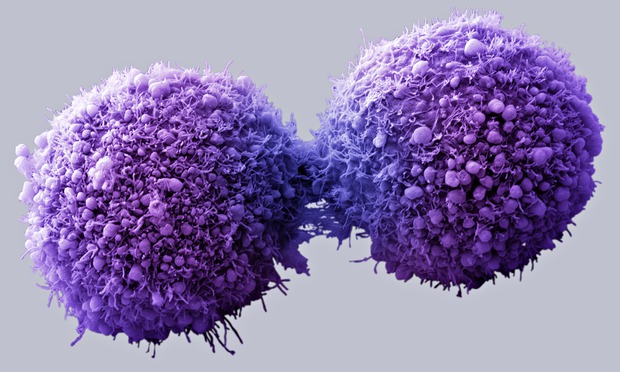
 CANCER: COSTS AND CURES
This is a factual account of all the money spent on this billion dollar industry and the success rate all this money buys. Cancer is a leading cause of death worldwide, accounting for 8.2 million deaths in 2012. If newly developed tools for cancer diagnosis, treatment, and follow-up become more expensive, medical expenditures for cancer could reach as high as $207 billion, said the researchers from the National Cancer Institute (NCI), part of the NIH (CANCER, 2015).
The analysis appears online, Jan. 12, 2011, in the Journal of the National Cancer Institute (NIH, 2011).Cancers figure among the leading causes of morbidity and mortality worldwide, with approximately 14 million new cases and 8.2 million cancer related deaths in 2012. The number of new cases is expected to rise by about 70% over the next 2 decades (NIH, 2011).
Among men, the 5 most common sites of cancer diagnosed in 2012 were lung, prostate, colorectum, stomach, and liver cancer. Among women the 5 most common sites diagnosed were breast, colorectum, lung, cervix, and stomach cancer. Around one third of cancer deaths are due to the 5 leading behavioral and dietary risks: high body mass index, low fruit and vegetable intake, lack of physical activity, tobacco use, alcohol use (NIH, 2011).
Tobacco use is the most important risk factor for cancer causing around 20% of global cancer deaths and around 70% of global lung cancer deaths. Cancer causing viral infections such as HBV/HCV and HPV are responsible for up to 20% of cancer deaths in low- and middle-income countries. More than 60% of world’s total new annual cases occur in Africa, Asia and Central and South America. These regions account for 70% of the world’s cancer deaths. It is expected that annual cancer cases will rise from 14 million in 2012 to 22 million within the next 2 decades (NIH, 2011).
The question I have is; if cancer rates are constantly going up and cancer costs are constantly going up who is benefiting? I would submit the $207 billion dollar cancer industry is the only beneficiary. If a cure came on the market do you suppose the multi-billion dollar cancer industry would embrace it and promote its implementation world-wide? I think not. Armed with this logic shouldn’t we at least look for a cure for cancer? I think so.
Dr. Max Gerson cured so many cancer patients he was nominated for the Nobel Prize. Instead the FDA revoked his license to practice medicine. He left the United States and opened a clinic in Mexico. His 85 year old daughter is still in Mexico providing cures for cancer victims at the Gerson Institute (Gerson, n.d.).
Nobel Prize winner Albert Schweitzer, M.D. was cured of (TB) lung tuberculosis by Dr. Gerson. In 1946, Dr. Max Gerson demonstrated recovered patients before the Pepper-Neely Congressional Subcommittee, during hearings on a bill to fund research into cancer treatment. Although only a few peer-reviewed journals were receptive to Gerson’s then “radical” idea that diet could affect health, he continued to publish articles on his therapy and case histories of cured patients (Gerson, n.d.).
In 1958, after thirty years of clinical experimentation, Dr. Max Gerson published A Cancer Therapy: Which contained the Results of 50 Cases. This medical monograph details the theories, treatment, and results achieved by a great scientist and physician. Gerson died in 1959, eulogized by long-time friend, Albert Schweitzer M.D. (Gerson, n.d.).
Of course there are many licensed doctors who are curing cancer today and the information is suppressed by the AMA, FDA and pharmaceutical industry. If I were to contract cancer I probably wouldn’t use chemotherapy, surgery or radiation. I would probably use the Gerson Therapy which you can find online for free.
How about you?
References
Cancer (2015) World Health Organization. Retrieved on June 19, 2015 from http://www.who.int/mediacentre/factsheets/fs297/en/
Gerson, M. (n.d.) The Gerson Institute. Retrieved on June 19, 2015 from https://gerson.org/gerpress/dr-max-gerson/
NIH (2011) Cancer costs projected to reach at least $158 billion in 2020. Retrieved on June 19, 2015 from http://www.nih.gov/news/health/jan2011/nci-12.htm
 Richard S. Hickman Ph.D